
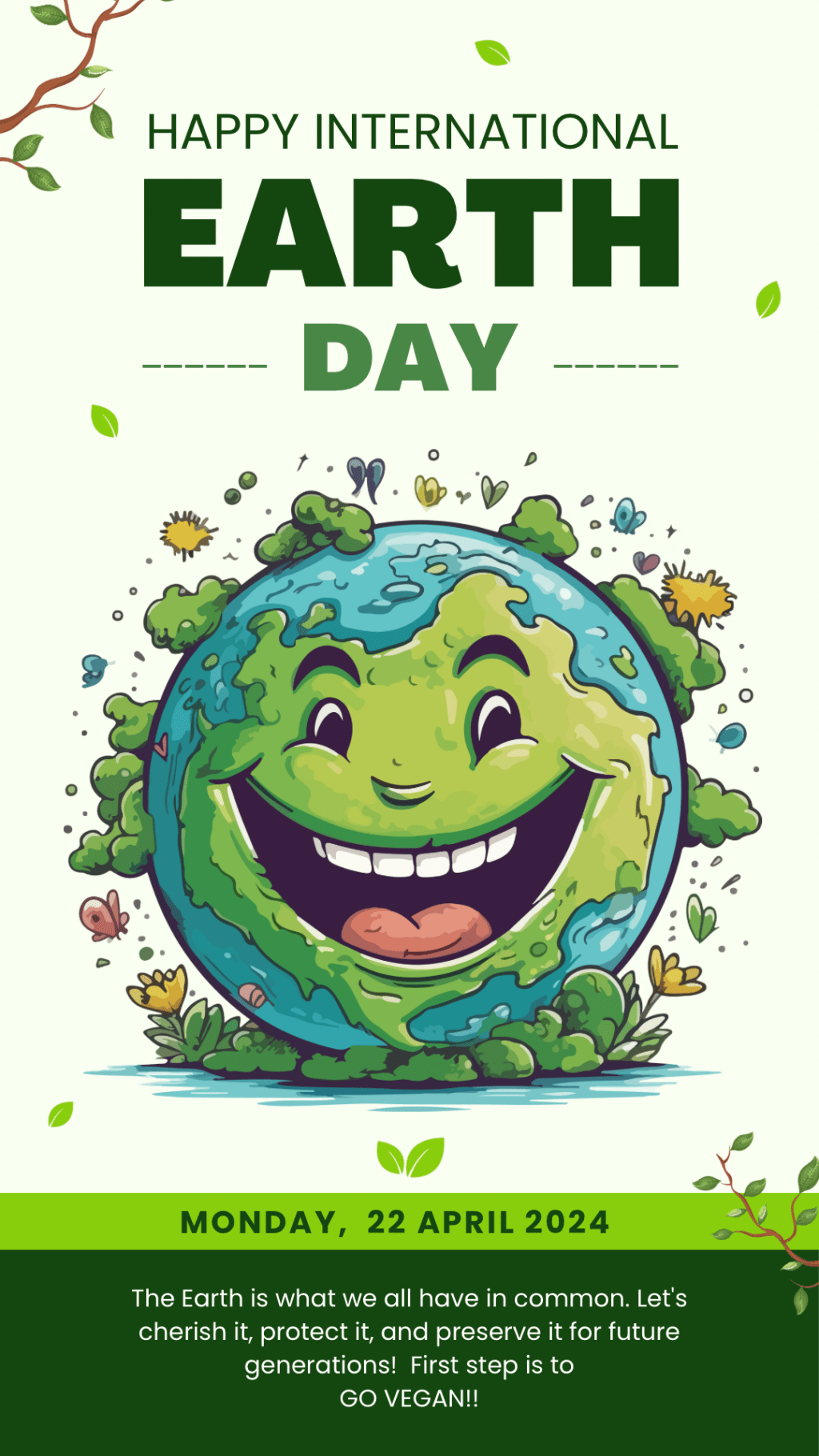
On Earth Day, it seems environmentalists seem to focus on a lot of micro issues, saving water by showering together or reusing your water bottle, while yes, these are important, but these are micro issues. These save very minimal amounts of water and plastics. When you look at the big picture and what consuming animal products is doing to the earth is the actual macro issue. Animal agriculture, encompassing factory farming, commercial fishing, dairy, and egg production, significantly impacts the environment through various mechanisms that contribute to biodiversity loss, resource depletion, and pollution.
Negative Impacts of Animal Agriculture
Factory Farming and Livestock Production
Factory farming, which includes the intensive rearing of animals such as cattle, pigs, and poultry, is a major contributor to environmental issues. These facilities generate substantial greenhouse gas emissions, with methane from ruminants and nitrous oxide from manure being particularly impactful. Deforestation to create grazing land and grow feed crops exacerbates this effect, leading to loss of biodiversity and increased carbon emissions. Water resources are heavily utilized in these operations, leading to potential scarcity and conflict over water use. Pollution from manure and other waste products contaminates air and waterways, affecting both human and ecological health.
Commercial Fishing
Commercial fishing practices pose severe threats to marine environments. Overfishing has led to the decline of fish populations, disrupting marine ecosystems and the balance of the oceanic food chain. Bycatch, the capture of unintended species during fishing operations, continues to endanger a wide range of marine animals. Techniques like bottom trawling devastate ocean floors, destroying coral and other habitats essential for marine biodiversity. Additionally, abandoned fishing gear, or ghost gear, contributes to the growing problem of marine debris, ensnaring countless marine animals.
Dairy Industry
The dairy sector is another significant environmental player, with its cows producing methane, a potent greenhouse gas. The industry is resource-intensive, requiring large volumes of water for various processes and contributing to significant energy use during product transportation and processing. Dairy farms produce vast amounts of manure, which if not properly managed, can lead to nutrient runoff, eutrophication, and the degradation of water bodies.
Egg Production
Egg production involves considerable resource use, including water and feed, and generates greenhouse gases from both the livestock and the production of their feed. The management of hen manure is a critical issue, as improper disposal can lead to nutrient pollution in water systems. The housing systems used for laying hens, such as battery cages, not only raise ethical concerns but also pose environmental challenges, impacting land use and air quality.
The environmental impacts of animal agriculture are profound and diverse, affecting everything from global warming to local water quality. Addressing these impacts requires our population to seriously consider adopting a plant based diet and if you believe in also saving the animals to completley adopt the vegan philosphy as well. As the global population continues to grow, the need for sustainable solutions in agriculture and becoming closer to a vegan world becomes increasingly urgent to protect our planet for future generations.
How A Vegan Lifestyle Can Mitigate Environmental Issues of Animal Agriculture
Adopting a vegan lifestyle can significantly mitigate many of the environmental issues associated with animal agriculture. Here’s how transitioning to a vegan diet can impact various environmental factors:
Reduction in Greenhouse Gas Emissions
Lower Methane and Nitrous Oxide Emissions: Since vegan diets exclude all forms of animal protein, they inherently eliminate the source of methane from ruminant animals (like cows) and nitrous oxide emissions from manure management. Plant-based diets are associated with lower greenhouse gas emissions compared to diets that include meat and dairy.
Decreased Deforestation
Less Land Use: Cultivating crops for human consumption requires less land than raising animals for food. By reducing the demand for animal products, veganism can decrease the pressure to clear forests for grazing and feed crop production, thereby helping to preserve natural habitats and maintain biodiversity.
Conservation of Water Resources
Reduced Water Footprint: Animal agriculture is water-intensive, not only for drinking water for animals but also in the production of feed. Plant-based foods generally require less water, contributing to greater water conservation. For example, producing 1 kg of beef requires significantly more water than producing 1 kg of grains or vegetables.
Minimizing Pollution
Lower Nutrient and Chemical Runoff: The absence of manure from livestock and the reduced use of fertilizers for feed crops means that vegan diets can significantly reduce the amount of nutrient runoff into water bodies. This can help prevent the occurrence of harmful algal blooms and the associated negative effects on water ecosystems.
Reducing Overfishing and Marine Degradation
Decreased Demand for Fish: Veganism excludes fish, which alleviates pressure on overfished stocks, helps restore marine ecosystems, and reduces bycatch that harms non-target species. Furthermore, it reduces the destruction caused by fishing methods like bottom trawling that damage ocean floors.
Promoting Biodiversity
Fewer Monocultures for Feed: Traditional animal farming often relies on large-scale monocultures like soy and corn for animal feed, which reduces ecosystem diversity. A shift towards veganism would decrease the demand for these crops, allowing for more diverse and ecologically beneficial farming practices.
Lowering Energy Consumption
Efficient Food Production: Producing plant-based foods is generally more energy-efficient than producing meat and dairy. Plants require less energy across the supply chain, from field to plate, due to lower processing, transportation, and refrigeration needs.
By addressing these critical environmental issues, veganism offers a sustainable alternative that can lead to a significant reduction in human impact on the environment. While individual dietary choices vary, widespread adoption of a plant-based diet could lead to a large-scale, positive ecological change, helping to combat climate change, preserve natural resources, and protect biodiversity. I do realize there could be certain case-by-case situations where a vegan lifestyle or plant based diet could not be sustainable due to a serious medical condition or for example living in the artic circle where it is impossible to grow or purchase any plant based foods, but if you have a choice to eat plant based foods, I believe you should to save the planet and the animals!
Happy Earth Day!!
 Veg Over Meds
Leave a comment