
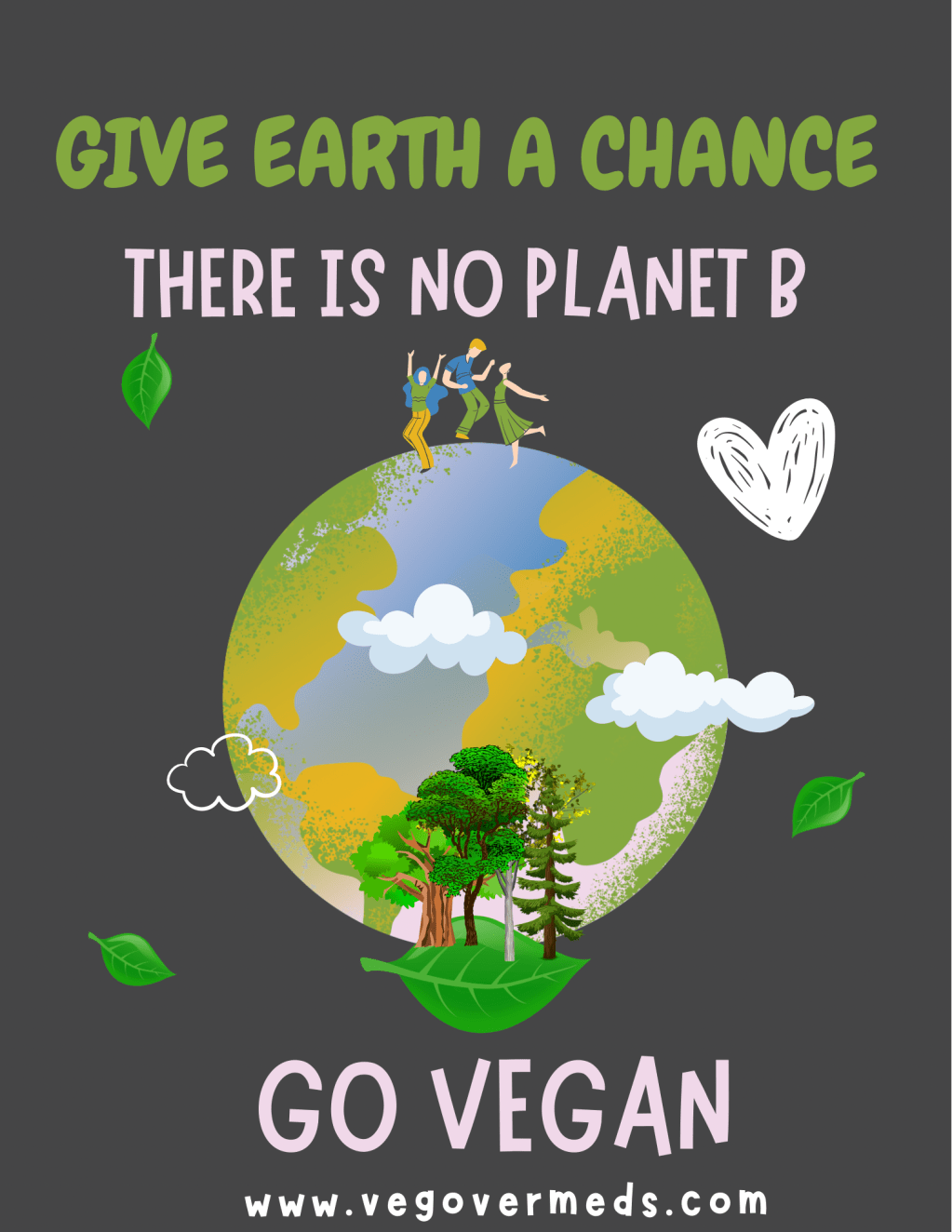
According to The Vegan Society Veganism is a philosophy and way of living which seeks to exclude—as far as is possible and practicable—all forms of exploitation of, and cruelty to, animals for food, clothing or any other purpose; and by extension, promotes the development and use of animal-free alternatives for the benefit of animals, humans and the environment. In dietary terms it denotes the practice of dispensing with all products derived wholly or partly from animals.
The vegan lifestyle, once considered a fringe movement, has gained significant momentum globally, driven by its profound benefits on health, the environment, and ethical considerations related to animal rights. This article delves into the multifaceted advantages of adopting a vegan lifestyle, encompassing environmental impacts, health benefits, and the philosophical and religious perspectives on compassion towards all sentient beings.
Environmental Benefits
Reducing Carbon Footprint
One of the most compelling environmental arguments for veganism is its potential to significantly reduce one’s carbon footprint. Animal agriculture is a major contributor to greenhouse gas emissions, with livestock accounting for a substantial percentage of global methane output, a gas with a global warming potential many times greater than CO2 over a 100-year period. Transitioning to a plant-based diet can drastically cut down these emissions.
Conservation of Water and Land
Animal farming is also incredibly water-intensive, requiring vast quantities of water for livestock consumption and the cultivation of feed crops. In contrast, plant-based foods generally require less water, making veganism a more sustainable option regarding water use. Moreover, animal agriculture is a leading cause of deforestation and habitat destruction as forests are cleared to create grazing land and land to grow feed crops. Adopting a vegan diet can reduce the demand for agricultural land, thereby contributing to the preservation of natural habitats and biodiversity.
Health Benefits
Nutritional Advantages
Vegan diets, when well-planned, can offer all the necessary nutrients, vitamins, and minerals for optimal health, often with lower levels of saturated fats and cholesterol. Research suggests that vegans tend to have a lower body mass index (BMI), reduced risk of heart disease, hypertension, type 2 diabetes, and certain cancers.
Digestive Health
A diet rich in whole plant foods provides high levels of dietary fiber, beneficial for digestive health. Fiber plays a crucial role in maintaining a healthy gut microbiome, enhancing digestive function, and reducing the risk of gastrointestinal conditions.
Ethical and Religious Perspectives
Compassion Towards Sentient Beings
A core tenet of veganism is the ethical consideration for animals. Many vegans choose this lifestyle to avoid contributing to the suffering and exploitation of sentient beings in the meat, dairy, and egg industries. This ethical standpoint aligns with the principles of various religious and philosophical beliefs that advocate for non-violence and compassion towards all living creatures.
Religious Perspectives
Several religions and spiritual practices emphasize the importance of non-harm and kindness towards animals. For instance, Hinduism, Buddhism, and Jainism encourage a vegetarian or vegan diet as part of their teachings on ahimsa (non-violence). By abstaining from animal products, individuals can align their dietary choices with these principles of compassion and respect for life. This may be controversial, but even as a Christian I believe I should not eat meat or kill animals; I know other Christians have different beliefs, so I will not judge. Once my eyes were opened to these what I call “truths” I can no longer do these horrific things.
Other Benefits
Economic Considerations
On a macroeconomic level, shifting towards plant-based diets could lead to substantial savings in healthcare costs by reducing the prevalence of chronic diseases associated with high meat consumption. For individuals, plant-based diets can also be economically beneficial, as legumes, grains, and seasonal vegetables often cost less than meat and dairy products.
Something to keep in mind, I am a new vegan, three months in. I have a lot to learn and am learning every day. I am eliminating more and more things from my life daily as I learn what is tested on animals or may have animal byproducts in them. This week, I have eliminated plastic grocery bags and plastic produce bags due to animal fat being used when producing these bags. I have also recently switched over to vegan shampoo, conditioner, body wash and lotion. There are many areas in which animal byproducts are used in which I want nothing to do with.
Another thing, if you are not vegan, give vegans grace, just as you, as meat eaters, expect us to give you some grace. We are not perfect; we are all learning. We may not be very far in our journey and just may not be aware of the issue of the harm in a specific product. I believe that if you eat meat and use meat products, you just might not be aware of the harm that is done to the animals. I will give you the benefit of the doubt for now. I will give you grace, but right now, I am telling you. I am giving you all the information you need to know that the meat and dairy industry is horrific and sickening. Check out these documentaries; these show all the benefits of a vegan diet and the sufferings that the animals experience just so you can eat that burger or fried chicken just for your taste pleasure. There is no excuse to cause harm to any animals just because it how you’ve always done it, it’s cultural or whatever other excuse you come up with.
The adoption of a vegan lifestyle offers extensive benefits that extend beyond personal health to include profound environmental impacts and ethical considerations regarding animal welfare. By choosing to live vegan, individuals can contribute to a more sustainable, compassionate, and healthy world. Whether motivated by environmental concerns, health objectives, or ethical values, veganism presents a holistic approach to living that respects our planet and all its inhabitants.
 Veg Over Meds
Leave a comment