

I prepared to start my Three Sisters garden by making a large raised out of cedar. I filled it with vegan-friendly soil and natural soil amendments. In this bed, I planned to plant, Stowell Evergreen Sweet Corn, Spaghetti Squash, Green Stripe Winter Squash, Blue Lake Pole Beans, sunflowers, and bee balm. The sunflowers and bee balm are great for bringing in bees to pollinate the corn and they also help keep birds away from the veggies. I also hand tilled a bed in the ground in which I amended with natural soil amendments. In this bed I planned to plant Trucker’s Favorite White Corn, Hyacinth Beans, Pinto Beans, Green Tint Scallop Squash and sunflowers.
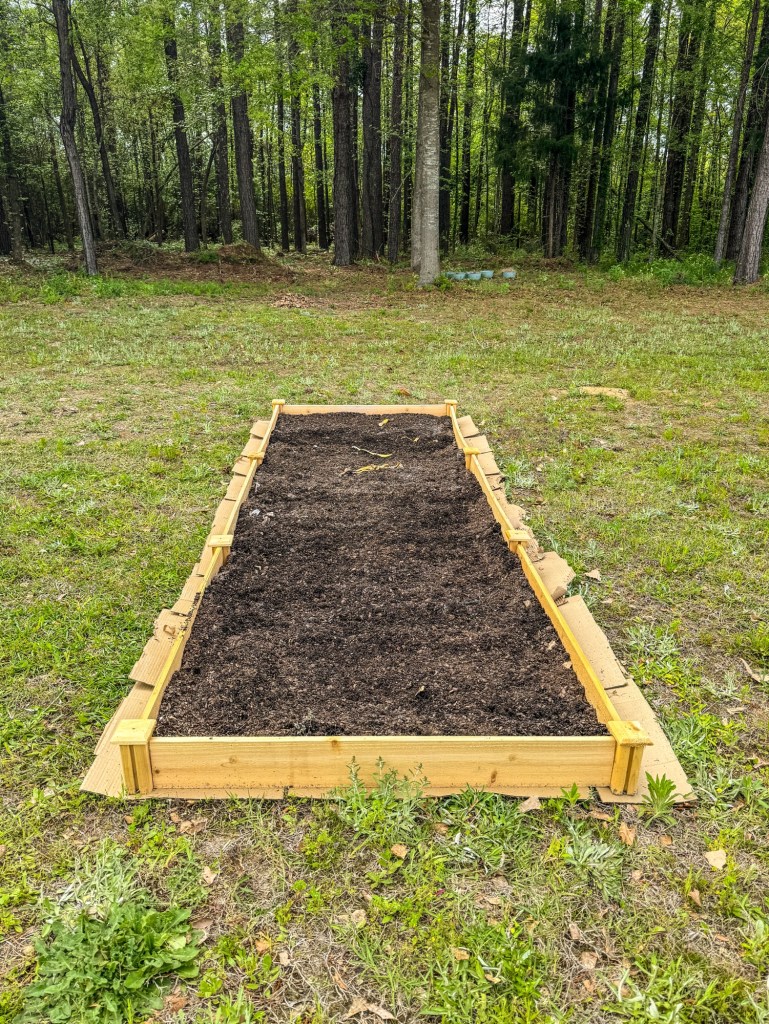

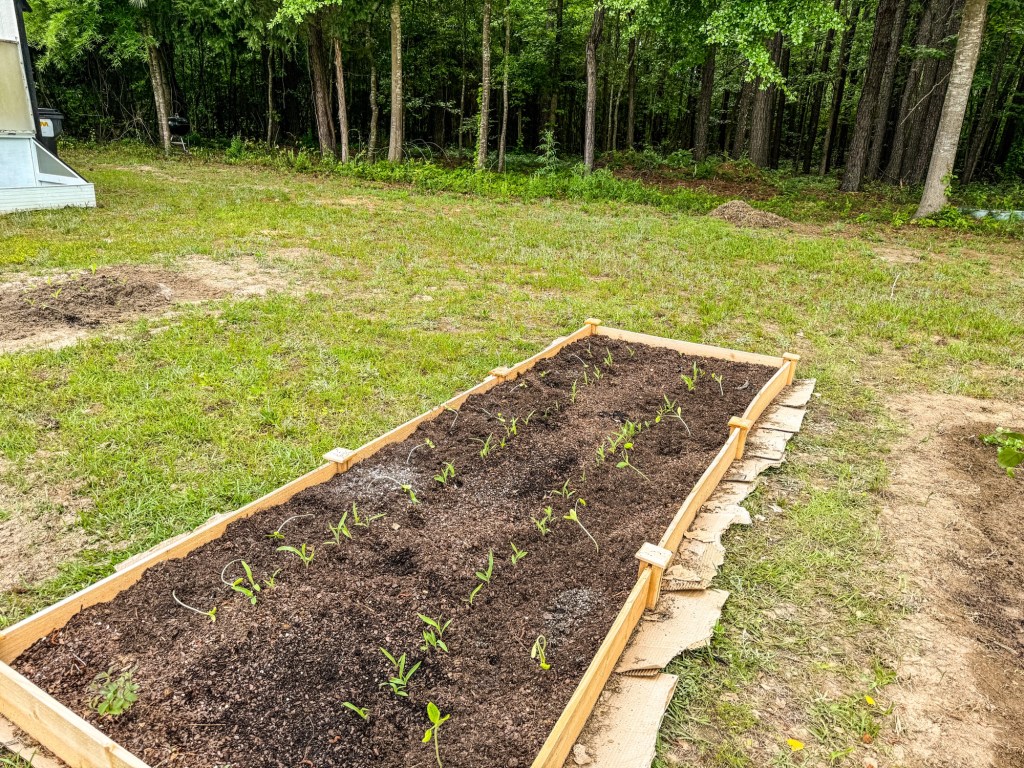
I prepared the beds and then waited for the seeds to arrive. I started the squash seeds inside when they arrived. Once the threat of the last frost had passed (according to our Farmers Almanac – that was April 1st) I first planted the corn seeds in the beds. On, April 20th when the corn reached about 6 inches tall, I planted the bean seeds in the beds. Lastly I planted the squash plants that I started indoors. The squash plants didn’t transition outside very well, so I direct sowed more seeds in the ground on April 28th.

Historical Roots of the 3 Sisters
Originating in Mesoamerica, the Three Sisters planting method has been a cornerstone of Indigenous agriculture, with evidence of its use dating back thousands of years. Indigenous people developed this method through careful observation of the natural world, recognizing that certain plants could benefit from growing together. This intercropping system spread throughout North America and became a widespread practice among many Native American tribes, each adapting the method to their local environmental conditions and cultural preferences.
Planting Techniques and Benefits
The Three Sisters planting method is a marvel of agricultural synergy. Corn provides a natural trellis for beans to climb, beans fix nitrogen in the soil to fertilize all three plants, and squash spreads across the ground, shading it to retain moisture and deter weeds and wildlife with its prickly stems. This combination reduces the need for artificial supports, fertilizers, and herbicides, promoting a more sustainable and environmentally friendly approach to farming.
This method also optimizes space, as the three crops are planted closely together, and enhances soil health and biodiversity, supporting a range of beneficial insects and organisms. The diversity of plant life can help prevent disease and pest outbreaks, reducing the need for chemical interventions.
Varieties and Nutritional Benefits
While the classic trio consists of corn, beans, and squash, many variations exist, incorporating different varieties of these staple crops to suit various climates and tastes. From sweet corn to climbing beans and winter squash, the possibilities are vast, allowing for a wide range of culinary uses and nutritional benefits.
For vegans, the Three Sisters offer a powerhouse of nutrition. Corn provides carbohydrates and some protein; beans are an excellent source of protein and fiber; and squash offers vitamins, minerals, and antioxidants. Together, they form a complete meal that supports a healthy vegan diet, offering balanced macronutrients and a diversity of micronutrients essential for overall health.
Amino Acids (Building Blocks of Protein)
The nine essential amino acids, which our bodies cannot synthesize and must be obtained through our diet, are:
- Histidine: Vital for growth, the creation of blood cells, and tissue repair. It also plays a role in the transmission of signals in the brain.
- Isoleucine: Involved in muscle metabolism and is heavily concentrated in muscle tissue. It is important for immune function, hemoglobin production, and energy regulation.
- Leucine: Crucial for protein synthesis and muscle repair, as well as regulating blood sugar levels, stimulating wound healing, and producing growth hormones.
- Lysine: Important for protein synthesis, hormone and enzyme production, calcium absorption, and immune function. It also plays a role in the production of collagen and elastin.
- Methionine: Acts as a precursor for sulfur-containing molecules, which are essential for metabolism and detoxification. It also plays a role in tissue growth and the absorption of zinc and selenium, minerals vital for health.
- Phenylalanine: A precursor for the neurotransmitters tyrosine, dopamine, epinephrine, and norepinephrine. It plays a critical role in the structure and function of proteins and enzymes and the production of other amino acids.
- Threonine: Important for protein synthesis, collagen, and elastin production. It also supports cardiovascular, liver, central nervous, and immune system function.
- Tryptophan: Necessary for the production of serotonin, a neurotransmitter that regulates appetite, sleep, mood, and pain. Tryptophan is also a precursor to melatonin, which regulates the sleep-wake cycle.
- Valine: Stimulates muscle growth and regeneration and is involved in energy production. It plays a key role in maintaining the proper function of various systems in the body.
Corn, beans, and squash, the trio of crops known as the Three Sisters in many Indigenous agricultural traditions, each contribute a range of amino acids essential for human health. Amino acids are the building blocks of proteins, and while our bodies can produce some amino acids, there are nine essential amino acids that must come from our diet.
Corn
Corn primarily provides a decent amount of leucine and glutamine. It has lower levels of essential amino acids compared to beans but is still a valuable part of the diet, especially when combined with other protein sources to ensure a full amino acid profile.
Beans
Beans, including varieties like Blue Lake Pole Beans and Scarlet Runner Beans, are an excellent source of protein and provide all nine essential amino acids, making them a crucial dietary component, especially for vegans and vegetarians. They are particularly high in lysine, which is often lacking in grain-based diets. Other essential amino acids found in beans include threonine, methionine, phenylalanine, tryptophan, leucine, isoleucine, valine, and histidine.
Squash
Squash, including types like Spaghetti Squash and Butternut Squash, offers a range of amino acids, although in lower quantities compared to beans. Squash provides some glutamic acid and aspartic acid, along with smaller amounts of the essential amino acids. While not a high source of protein, squash contributes vitamins, minerals, and dietary fiber to the diet, complementing the protein-rich beans and carbohydrate-rich corn in the Three Sisters planting.
Animal Protein contains all nine essential amino acids in sufficient amounts, making it a “complete” protein source. This means that animal proteins, from sources like meat, poultry, fish, dairy, and eggs, can provide the body with all the amino acids it needs for repair, growth, and maintenance of body tissues. While animal proteins provide complete amino acid profiles and are important sources of certain nutrients, the Three Sisters offer a plant-based alternative that, when combined, nearly match the completeness of animal protein, alongside significant environmental benefits, health benefits, and no animals are harmed.
Together, corn, beans, and squash provide a more balanced and complete nutritional profile. This combination underscores the wisdom of the Three Sisters planting method, not just from an agricultural standpoint but also from a nutritional perspective.
The Three Sisters in the Costa Rican Peninsula Blue Zone
The importance of the Three Sisters extends beyond their agricultural and nutritional value. In the Costa Rican Peninsula, recognized as one of the world’s Blue Zones—areas where people live significantly longer lives—the Three Sisters play a crucial role in their local diet. This method aligns with the Blue Zone principles of eating primarily plant-based foods, engaging in regular physical activity (including gardening), and living in harmony with the environment.
Incorporating the Three Sisters into the diet contributes to the high levels of health and longevity observed in Blue Zone populations. The combination of these crops provides a balanced diet rich in nutrients, which, when coupled with the sustainable farming practices and active lifestyle associated with their cultivation, can help support a long, healthy life.
The Three Sisters planting method is more than just an agricultural technique; it’s a heritage of Indigenous wisdom, a testament to sustainable farming, and a source of nutritious, plant-based food. As we seek solutions to modern challenges of environmental sustainability and nutritional health, revisiting and embracing ancient practices like the Three Sisters offers a path forward. By learning from the past, we can cultivate a healthier future for our planet and ourselves, proving that sometimes, the best way forward is to look back.
 Veg Over Meds
Leave a comment